

The Africa We Inherited Vs The Africa We Must Build by Apostle Femi Lazarus: MP3 Download & Sermon Notes
Africa Must Unite, Even Now
lightbulb Message Summary - Key Nuggets
- Panel discussion, not a sermon delivered by Apostle Femi Lazarus
- Colonial borders, corruption, and the psychology of dependency
- Why African unity keeps stalling
- Closing charge: Africa must unite, even now
Notes/Excerpt
These notes were taken while listening and may contain some errors. Please tap any sentence twice to suggest corrections.
By holding or selecting a paragraph, you can easily share snippets to friends or on your whatsapp status directly
Note: this is not a sermon
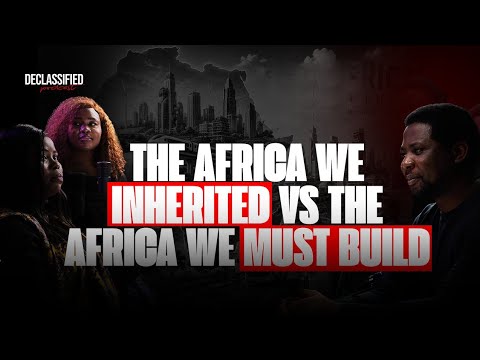
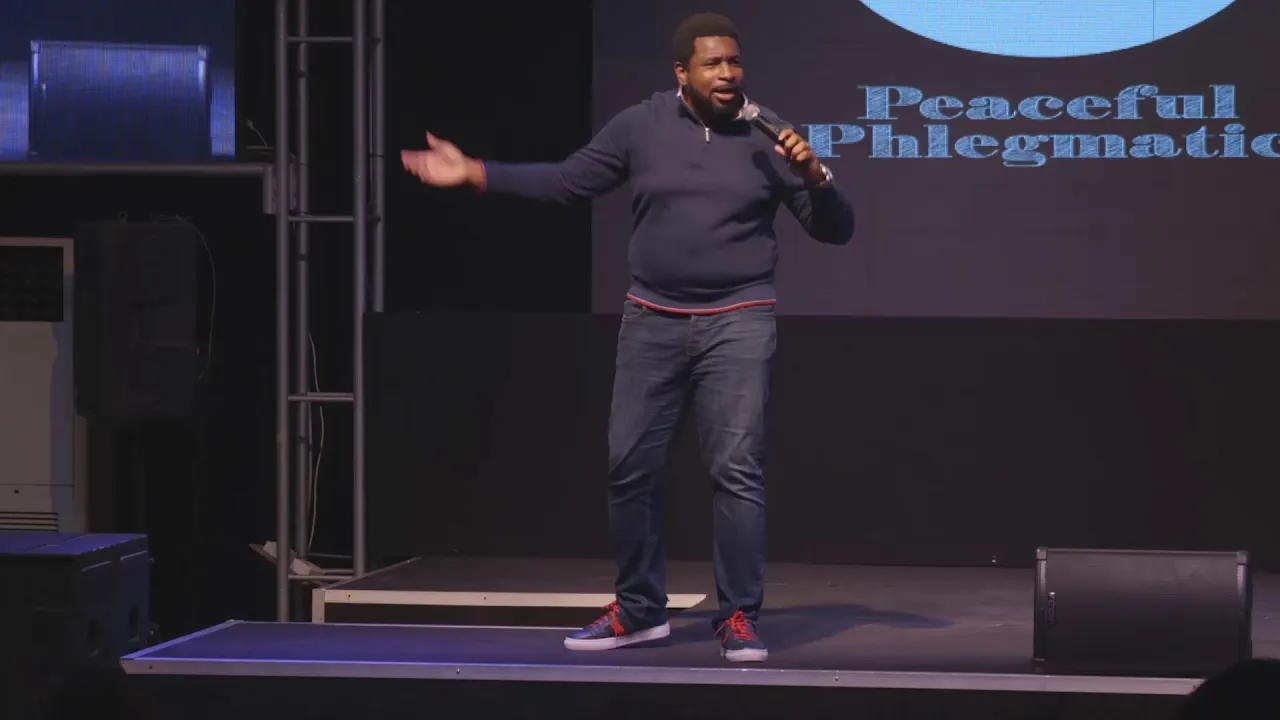
This transcript is a panel conversation on the Declassified podcast with the host, Margaret Ogulu (director, Voice of Africa by Africans), and Akur Ola Milola (corporate lawyer, investor, realtor) — not a sermon by Apostle Femi Lazarus. It has been formatted below in note form as requested, preserving the discussion's questions and answers, but it should not be published as sermon content without correcting the submission record.
How Africa's borders were built to divide
Q: What was the intention behind Africa's borders?
Before 1884 there were no structured borders in Africa as we now have them. It was the Berlin Conference — the scramble for Africa — where colonial powers discussed how to carve up the continent. The dividing lines achieved a few things:
- To make sure African peoples never truly unite
- To let individual colonial entities each grab their own portion of the wealth
We are quick to blame the West for sabotage but reluctant to admit how readily some handed themselves over to the West for their own interest. Until our perspective of history is corrected, we are bound to repeat it.
Is Africa truly free?
Q: Is bad internal leadership the only problem, or are there external factors sabotaging African leadership?
Freedom is measured by a continent's capacity to self-govern and carry out its own vision. Leaders who tried to defy the status quo — Thomas Sankara, Kwame Nkrumah — pushed ideas like a unified African financial system independent of the IMF. Whenever an African leader dreams like that, there appear to be structures in place to punish them:
notifications_active Stay Updated
Join the Readsermons communities for daily nuggets and new sermon alerts.
- Patrice Lumumba of Congo was killed
- Thomas Sankara's assassination was organized by his own assistant, only sentenced (in absentia) about two years ago
- Muammar Gaddafi's execution involved Museveni of Uganda; his son, seen as continuing his legacy, has since been executed too
- It remains unconfirmed whether Kwame Nkrumah died of cancer or was poisoned
It appears the unity of Africa threatens outside interests enough that they need Africa never to unite.
Why unity hasn't happened
Development requires unity of cause — the way the US has unity in executing policy. The African Union writes agendas, but when it's time to sign binding documents, disparities emerge: countries in dispute with each other, treaties celebrated but never ratified.
- The African free trade agreement is talked about and celebrated, but not really implemented — the US is pursuing similar trade access with African countries more aggressively than African nations are pursuing it with each other
- Of 54 African countries, many unifying treaties and conventions have been ratified by fewer than 15
- Some of the 54 countries — Tunisia, Morocco, Algeria, Sudan — identify as Arab rather than sub-Saharan African, complicating unity further
Q: Do people in the African Union or ECOWAS have loyalty more to the Western world?
Apostle Femi Lazarus
Enjoying this sermon? Browse more messages by Apostle Femi Lazarus on African Unity at ReadSermons.
It appears so.
What a united Africa would look like
A borderless Africa — no visa required to move between African countries, the way a Schengen visa allows free movement across Europe. It doesn't speak well of African unity that outsiders holding a Western passport can move through African countries more easily than Africans can, largely because of how a passport (e.g. French) is treated versus a Nigerian passport, which faces discrimination both abroad and within Africa itself.
The psychological colonization — "the tyranny of the familiar"
Movies, songs, and media painted the West as heaven and Africa as hell — Jesus painted white, the devil painted black — demonizing what Africans have while glorifying what they don't. Much of the damage done to the African mind came less from curriculums and more from Hollywood and entertainment.
Many Africans have gotten used to what was termed "the tyranny of the familiar" — like Israel in slavery, once offered freedom, complaining that their labor increased and blaming the one who tried to free them. We are scared of the responsibility that comes with leaving what's familiar, even toward something better.
- Leaders who tried to lead Africa out of that comfort — Gaddafi, Sankara, Lumumba — were often killed by their closest allies
- Every time Africa was sabotaged, there was someone from inside who struck hands with an outsider
Corruption, taxation, and accountability
Q: As a Nigerian, do you think Nigeria has been fair to you?
You may also like
Youniversity Part 6
by Pastor Kingsley Okonkwo
Definitely no — there has been no accountability, no fairness, no justice. Crimes that could be avoided happen daily and go uncovered by the news, while security budgets are released with no visible effect, raising the question of who is diverting the funds.
Example given: a Nigerian official found with a stash of cash was briefly interrogated by the EFCC and released, and is currently an ambassador — contrasted with a Chinese official who received a $19 million bribe and now faces life imprisonment. The law seems to apply differently to the rich and the poor.
On tax burden: a company with an annual turnover over 100 million naira can end up paying around 30% or more in tax between the turnover levy and other obligations, while seeing little return from government in security or basic services.
Q: Do you feel Africa is the most corrupt continent?
No — the West has been sold as more virtuous to cover its own dark secrets, including sex and child trafficking, in which Africa is "still a learner" by comparison.
Waiting on outside help
Reference to the #EndSARS protests: international organizations claimed nothing significant happened, yet quietly called their citizens out of the country beforehand — suggesting it truly is "all man for himself," and no one is coming to save Africa. This individualism, born of trauma, is one reason treaties and conventions of the African Union go unratified — everyone asking "what's in it for me" instead of pushing collectively.
Examples of foreign aid used as leverage:
- A billion-dollar aid agreement to Gambia was held back until mining rights were granted
- A peace deal between Congo and Rwanda was said to explicitly benefit the mediating party
The West is not hiding that its help comes with self-interest attached.
Foreign is treated as premium — two personal examples
- At the Ministry of Finance, a Nigerian's paperwork was delayed repeatedly for weeks, but when an Indian friend followed up on the same matter, he was attended to immediately and even offered a chair and drinks
- At a bank, a staff member offered to release 2 million naira in cash and treated the customer well — until she saw the customer, not their foreign companion, was the one signing to collect it, then claimed there was no money after all
This is described as mental conditioning — a disdain for one's own people rooted in years of external and internal messaging that foreign is better.
Closing charge
We agreed to sell our own people for the equivalent of mirrors and gunpowder in the slave trade, and in various forms we are still doing it. No matter how gifted a person is, if told long enough that they are incapable, they begin to live in that reality. Sabotage of Africa was never only external — it always required someone from the inside.
"Africa must unite, and unite she must, even now."
Apostle Femi Lazarus
Enjoyed this sermon? Browse more messages by Apostle Femi Lazarus on ReadSermons.
Comments
0 comments
No comments yet. Be the first to share.
Stay updated with Readsermons
To be notified on every sermon release, join the group that suits you best:
For nuggets & Sharable snippets follow us.
headphones Media & Resources
Listen to Sermon
Download initiated! Follow us to be the first to get new sermons by Apostle Femi Lazarus.
The Africa We Inherited Vs The Africa We Must Build
Apostle Femi Lazarus • 17MB
Download initiated! Follow us to be the first to get new sermons by Apostle Femi Lazarus.
Your download
is starting! 🎉
Connect with us directly for more powerful teachings.
The Africa We Inherited Vs The Africa We Must Build
00:00:00 / 00:00:00