


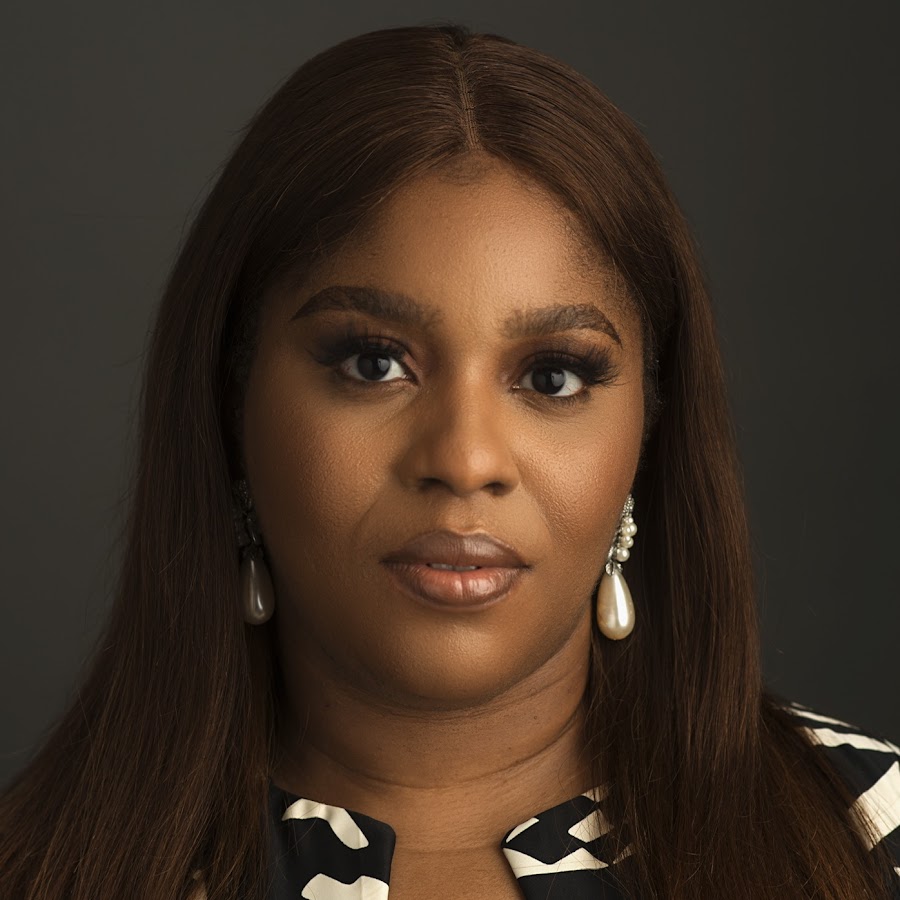

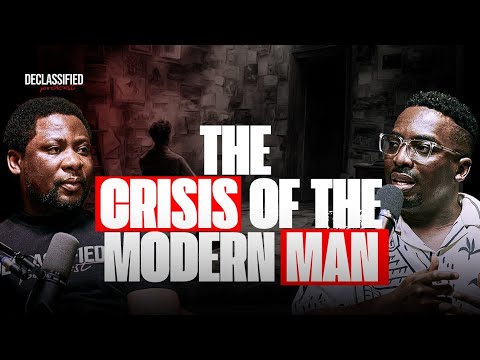
The Crisis Of The Modern Man by Apostle Femi Lazarus: MP3 Download & Sermon Notes
Don't Lose Yourself Chasing Tools
lightbulb Message Summary - Key Nuggets
- Wealth is a tool — what matters is the task it serves, not the tool itself.
- You cannot discover your true identity in the absence of options.
- The three pillars of a meaningful life are presence, intentional growth, and contribution.
- Reducing a man's responsibility to financial provision is one of society's greatest disservices.
Notes/Excerpt
These notes were taken while listening and may contain some errors. Please tap any sentence twice to suggest corrections.
By holding or selecting a paragraph, you can easily share snippets to friends or on your whatsapp status directly
Wealth as a Tool
Wealth is a tool. Money is a tool. Success is a tool. In anything being pursued, don't lose yourself. Understand the why of what you are doing. And when the cost is getting too much, what is it profiting you to gain this?
Before, the focus was on what there is to gain. The wiser posture is to look at what stands to be lost while trying to gain something. If your greatest contribution was when you died, then you wasted your life.
You cannot discover your true identity in the absence of options. Wealth gives you options. It is one of the reasons why everybody, at some point in their lives, should be able to afford whatever they desire, in the degree they desire it, as at when they desire it — so that we can know who they really are.
The Problem of Success Without Purpose
There is something disturbing about people who are doing well, yet who put enormous effort into letting those below them know they are nothing. It looks like an emptiness even when the fellow looks like they are coming from so much.
The need to not just be successful but to be seen to be successful is everywhere. Very few people can enjoy their success without making reference to somebody else. The convoys, for example — if the real purpose is security, good security is stealth. A large, loud convoy is not for security. It is to let people know a successful person is coming.
People have not been properly guided on the essence of life. Many have never had successful people sit them down and describe the journey of success, how to maintain it, and how to manage the side effects of it. There is a side effect to success — when you have eaten, when you are fat, when you have built houses. For there to be a divine warning not to forget means you actually can forget. Success management is more important than teaching success creation.
If someone has amassed resources, sit them down and ask: what is the task that you require this resource for? They will feel very stupid, because they have all these resources but don't know what to do with them. The question to ask is: what are you building with the money you have gotten? Once you cannot answer that, the person begins to search — because nothing goes out of this earth when we die.
Tools are for tasks. The moment a demand is placed on people with tools to show the tasks they are completing, after a while they themselves will not even want the responsibility of those tools, because they know they have no tasks.
The Carpenter Illustration
notifications_active Stay Updated
Join the Readsermons communities for daily nuggets and new sermon alerts.
If a carpenter shows up with a golden, iced-out, crystal-covered hammer and keeps showing it off, after a while the response would be: "I have seen your hammer. What are we building?" But if an experienced carpenter shows up holding a stone and asks where the stool is — and uses that stone as a hammer — there is respect for him, not because of his tool, but because of the dexterity of the task.
We must start letting people know that wealth is a tool. What is the task?
Those who have resources and are building things should start showing up and letting people know what they are building, so that those who have resources but are building nothing can keep quiet. It is the tool you don't have a work for that you become proud about.
Transactional vs. Relational Living
A woman once said: "You Nigerians — your life is largely transactional. We in Kenya, our life is largely relational." When examined honestly, this is true. People spend every day chasing money, and families, children, wives, husbands — none of them truly experience one another. The culture that takes pride and finds meaning only in what can appear in a picture is a culture of vanity.
The reason for this transactional nature is largely hardship. When a government does not provide for its people, they are forced to provide for themselves — their own light, water, security, internet. This is why Nigerians everywhere they go intimidate the indigenous population — there is a nobody-is-going-to-do-it-for-you drive. But the question must be asked: what is the cost of being that way? What is happening to our compassion? What is happening to our human connection?
A recycling of pain and hopelessness forces people to become survivors. A person who is trying to survive is not thinking of thriving.
Who Are You? The Three Pillars of Identity
Self-identity is everything. At some point, real questions must be asked — questioning one's faith, one's walk with God, questioning the effect of that walk on the quality of the lives of people around. If a person claims to know God, the people around them should feel the impact.
-
Presence
The first pillar: be present. Not complaining about a situation — just here, taking in the moment. There are many people who cannot be present. They are seated somewhere but thinking about the future or living in the past. Don't let the future rob you of now. Don't let the past rob you of now. The perpetually materialistic are always living in the next thing — when I have this phone, when I buy this property, when I move to this neighbourhood — and because they never live in the now, they are always inadequate.
-
Growth
Every living thing, from the moment it is present, begins to grow. The key question is: how am I intentionally growing? Everything alive grows unintentionally — but it is about intentional growth. What am I doing to become a better version of myself? Wisdom is knowing what best to do next. Stature is the capacity to experience and exploit pressure.
One of the signs that you are growing is gracefulness. You become gracious towards others, knowing that where they currently are might be where you once were.
-
Contribution
Now that growth has come, now that there is stature — how is the tool of success being used? Because we are each the recipient of somebody else's growth. We were born in hospitals, raised in schools — we are products of people's contribution.
The moment a person dies and is buried, they start giving back — skin, bones back to the soil. The only thing left is teeth, to show that existence was for contribution, for supporting the ecosystem.
If your greatest contribution was when you died, then you wasted your life.
Wealth is a trust. In some countries, wealth and power are seen as a responsibility — once you have it, it was given to you as a conduit to reach other people.
Apostle Femi Lazarus
Enjoying this sermon? Browse more messages by Apostle Femi Lazarus on Identity at ReadSermons.
Lack, Identity, and the Absence of Options
There is a part of lack that numbs emotions. People's true behaviour is seen at a buffet — everybody is disciplined when being served, but when they say serve yourself, then you truly know whether people are disciplined. The absence of options does not imply discipline.

When people have walked in lack for a long time and then enter into abundance, if care is not taken they become prone to the very things they always desired but could never afford. You don't really know your true self until you have options. Everybody should, to the best of their ability, master the art and science of becoming successful — financially and otherwise. It will bring humility when they discover who they really are.
Jethro: The Friend Who Doesn't Move
Jethro never ceases to amaze. When Jethro met Moses, Moses was a fugitive — hopeless and helpless. Jethro reached out, gave him a wife, a home, a job, and guided him. Moses later returned with millions of Israelites and the wealth of Egypt. And then Jethro looked at Moses and said: "Let me advise you. This leadership structure you have is going to destroy you."
When Moses was poor, it did not move Jethro. When Moses became the president of a whole nation, it also did not move him. God should put Jethros in our lives — those who will talk to us when we are nothing and talk to us when we are something. And give us the capacity to be Jethro, so that whoever we contributed to in their rising, when they eventually become successful, we remain secure and don't become a hindrance.
As we transition in life from one stage of success to another, we must maintain the postures that got us to where we are.
On Men, Loneliness, and the Path to Becoming
Being a man puts one on a unique path of leadership — for people led corporately, relationally, emotionally. The first thing a man must understand is that this is the rigour that comes with the gender. Do not fight it.
Societies that do initiation ceremonies for young boys by older men are trying to let them know that this heavy experience is not unique to them. Sometimes solace is found simply in knowing: I am not the only one going through this.
Four keys to navigating the loneliness on the path to becoming:
- Deep vision. For the joy that was set before him, he endured. When a man has a deep sense of vision, hopelessness leaves. "I am lonely, but it is for a season and for a reason."
- Self-awareness and alignment. Some people feel lonely because they are in wrong environments — not living their own dreams, trying to force themselves to be fish out of water. Viable seed in viable soil will not feel lonely.
- Purpose-driven giving. If the loneliness is birthing something in somebody else, it gives that loneliness meaning. Men are designed to be sacrificial, to be protectors. Meaning comes from showing up for the people they love.
- Brotherhood and relationship. The relationship with your woman and the relationship with your brothers. In brotherhood there are dynamics of ego — someone will be richer, more visible. Allow for it and enjoy the benefits of brotherhood.
The Three Levels of Filling the Cup
Why do men choose women who don't fill their cup? There are three levels:
- Chemistry, attraction, and pleasure. Be with someone who excites you.
- Compatibility, alignment, and peace. Is this person your peace? Can you sleep off in their presence? Can you be your true self?
- Commitment, assignment, and purpose. Where are you going together?
Most men, when looking to marry, only look at commitment, assignment, and purpose — ignoring chemistry or compatibility. Some relationships are so tumultuous that it is always either the mountain top or the deep valley. That is not health — that is madness.
Reducing a man's responsibility to his ability to provide is one of the greatest disservices done to family and society. Men today must ask: if I was not providing financially, what else do I provide? Vision. Support. Safety. Capacity. Anchoring. Emotional boundaries.
No Human Being Can Fill Your Cup
No human being can fill your cup. The filling of the cup comes from a deep sense of self-awareness, of purpose, and a deep sense of connection to God. David encouraged himself in the Lord. That is the role of a man. The people he loves and leads will turn against him many times. He must develop how to replenish himself — crying in worship, breaking down before his heavenly Father.
For the man in a marriage that is not filling his cup: focus on what she is doing, not what she is not doing. As you become a softer version of yourself, all things being equal, she will become soft too. Over time make an appeal: can we, as we change and become better, become closer?
A productive, happy, peaceful, purposeful version of you is better than a version broken and depressed because of somebody else's presence. If it has gotten to a point where you are truly withering — and you have done your best — it may be worth asking: am I better being out of this than in it? Many children are dysfunctional today because they were raised by dysfunctional parents who never modelled love, respect, or happiness.
We are all humans that God is helping.
Apostle Femi Lazarus
Enjoyed this sermon? Browse more messages by Apostle Femi Lazarus on ReadSermons.
Comments
0 comments
No comments yet. Be the first to share.
Stay updated with Readsermons
To be notified on every sermon release, join the group that suits you best:
For nuggets & Sharable snippets follow us.
headphones Media & Resources
Listen to Sermon
Download initiated! Follow us to be the first to get new sermons by Apostle Femi Lazarus.
The Crisis Of The Modern Man
Apostle Femi Lazarus • 27MB
Download initiated! Follow us to be the first to get new sermons by Apostle Femi Lazarus.
Your download
is starting! 🎉
Connect with us directly for more powerful teachings.
The Crisis Of The Modern Man
00:00:00 / 00:00:00